Careers
Food Science and Technology offers diverse career prospects in food processing, quality assurance, food safety, research, academia, and entrepreneurship.
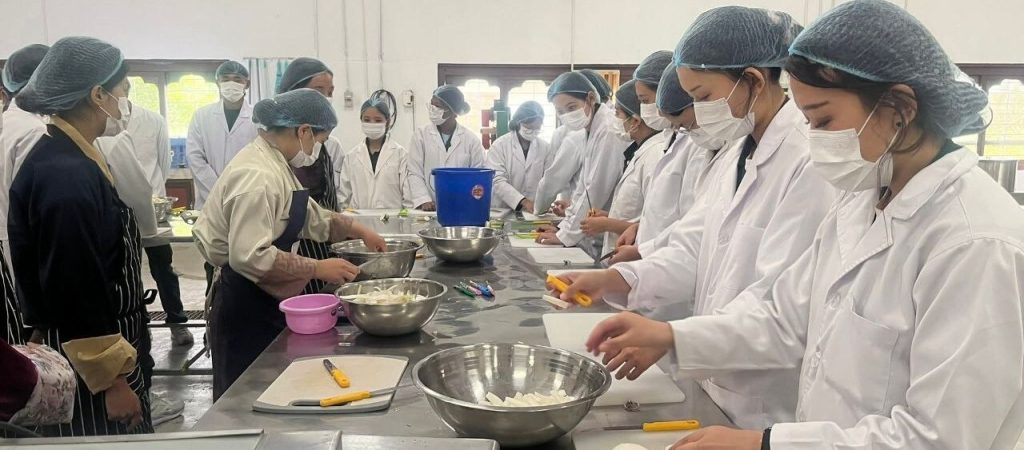
Food Processing Industry
Graduate in Food Science and Technology can contribute to the food processing industry by developing new food products, improving food quality and safety, reducing postharvest losses, extending shelf life, improving packaging, and adding value to local agricultural products.
They can apply knowledge of food processing, microbiology, chemistry, nutrition, sensory science and food safety to develop safe, nutritious and marketable foods. They can also conduct research, utilize food-processing by-products, promote sustainable processing, and establish their own food-processing businesses and start-up.
Food Safety and Regulatory Sector
Food Science and Technology graduates can work in the food safety and regulatory sector to ensure that food produced, processed, imported, and sold is safe, hygienic, and compliant with food laws and standards.
They can contribute through food inspection, laboratory testing, food safety assessment, quality control, food-business licensing, standards implementation, surveillance, and regulatory enforcement. In Bhutan, graduates can pursue roles such as Food Safety Officer, Food Inspector, Food Analyst, Laboratory Officer, Quality Assurance Officer, and Regulatory Officer in government agencies and food-related organizations.

Food Quality Assurance and Quality Control
Food Science and Technology graduates can work in Quality Assurance (QA) and Quality Control (QC) to ensure that food products are safe, consistent, nutritious, and meet required quality standards. They can monitor raw materials, processing conditions, hygiene, packaging, storage, and finished products through physical, chemical, and microbiological testing. They can also implement GMP, GHP, HACCP, quality management systems, and standard operating procedures (SOPs) to prevent defects and contamination. Common positions include QA Officer, QC Officer, Quality Manager, Food Safety Officer, and Laboratory Analyst.

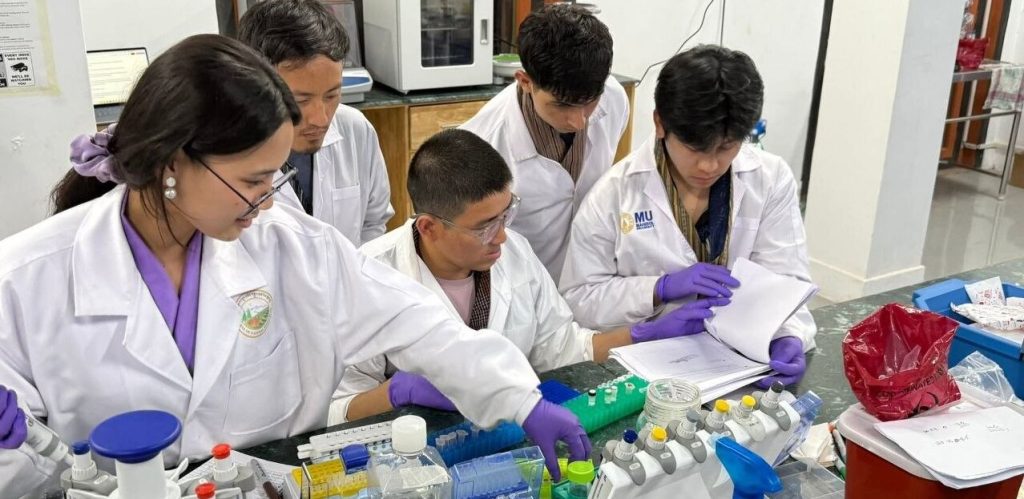
Food Laboratory and Food Analysis
Food Science and Technology graduates can work in food laboratories and analytical services to determine the safety, quality, nutritional value, and composition of food products. They can perform microbiological, chemical, physical, nutritional, and sensory analyses and test foods for contaminants, adulterants, moisture, protein, fat, ash, acidity, additives, and other quality parameters. Laboratory work supports food safety, quality control, product development, regulatory compliance, and research. Career positions include Food Analyst, Laboratory Officer, Food Microbiologist, Quality Control Analyst, and Research Assistant.
Research, Development, Academia and Teaching
Food Science and Technology graduates can pursue careers in research, product development, academia, and teaching, contributing to the advancement of food science and the development of innovative food products and processing technologies. They can work on new product development, food safety, food biotechnology, traditional food research, functional foods, food packaging, postharvest technology, food waste valorization, and sustainable processing. With higher qualifications such as an MSc/MTech or PhD, they can work as Research Officers, Food Scientists, Research Assistants, Lecturers, and Professors in universities, research institutions, government organizations, and the food industry.
“As a Food Science and Technology graduate, how can you use your knowledge and skills to transform Bhutan’s food system, from raw agricultural materials to safe, nutritious, sustainable, and value-added food products?”
Department of Food Science and Technology